Current Exhibitions/Upcoming Events:

"Take Our Stand: The African American Military Experience in the Age of Jim Crow"
On view from February 5 to May 29, 2010.
Please Note: The Take Our Stand exhibition opening has been rescheduled
for Friday, February 19th, 6:00-8:30 p.m.

This exhibit was produced through a partnership between the American Civil War Center at Historic Tredegar and the Black History Museum and Cultural Center of Virginia and was funded in part by a grant from The Community Foundation Serving Richmond and Central Virginia
________________________________________________________________

Governor Kaine visits the Museum for Freedmen's Bureau Announcement

Freedmen's Bureau Project article in the Richmond Times Dispatch

Directions for searching Freedmen's Bureau Virginia Marriage record database:

1. Go to www.familysearch.org
2. Under Family History Library, click on "African American family history resources"
3. Under Freedman's Bank Records, click "beta Record Search"
4. Click on the Canada/USA/Mexico regional map
5. Scroll down to "Freedmen Bureau Virginia Marriages, ca 1815-1866"
6. Click link and begin a search

About the Museum

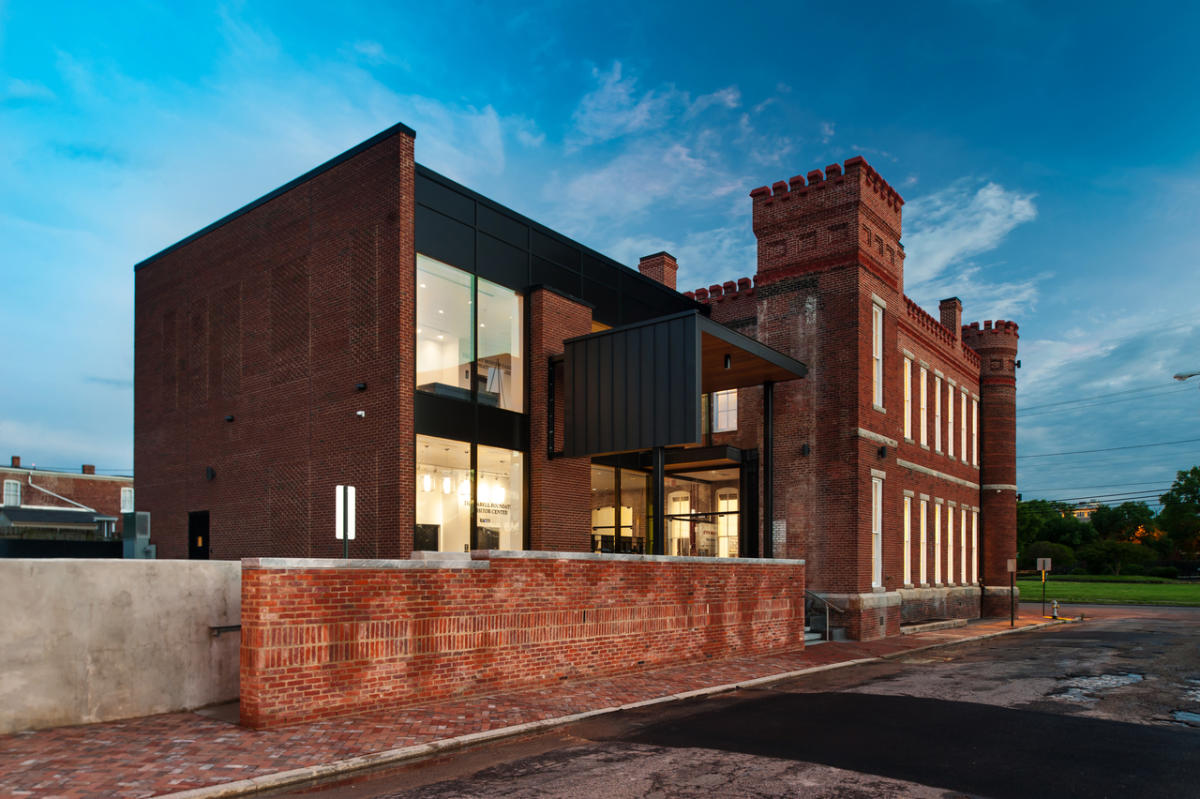
The Black History Museum and Cultural Center of Virginia was founded in 1981 by Carroll Anderson, Sr.

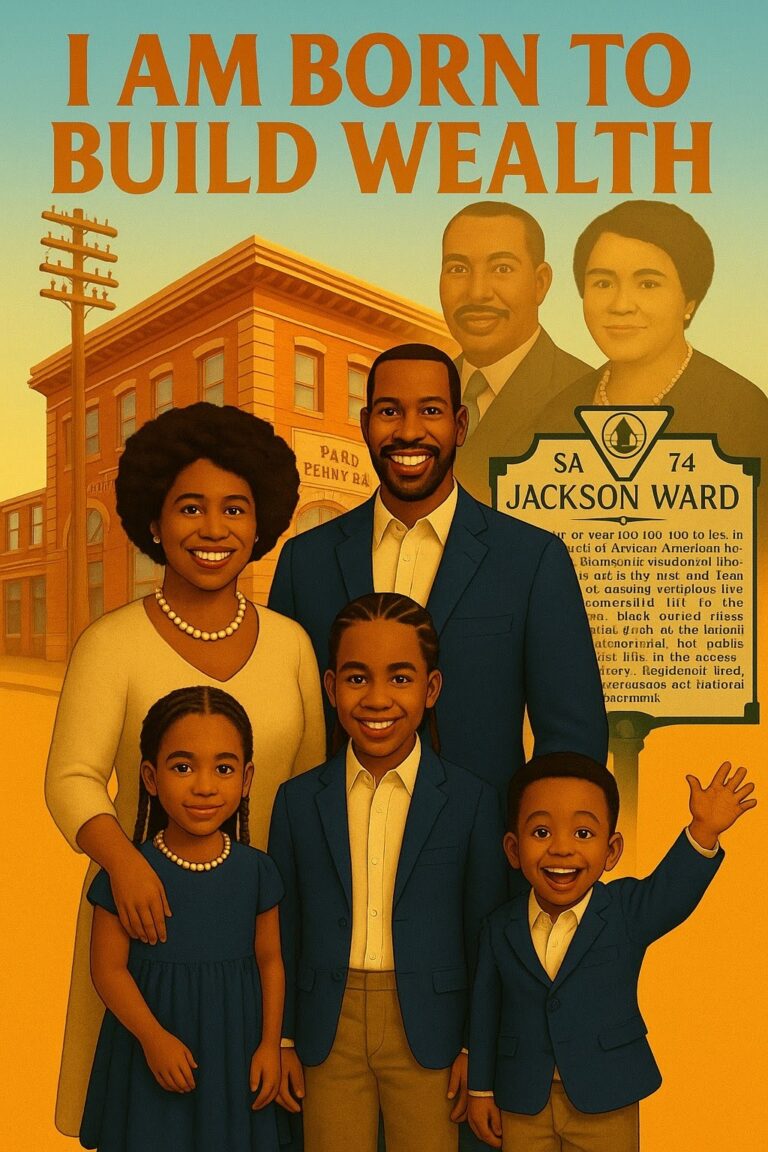
In 1991, the Museum was opened to the public at its present location, 00 Clay Street, in the historic Jackson Ward district of Richmond. The house built in 1832 by German descendant Adolph Dill, incorporates both the Federal and Greek Revival architectural styles. Under the leadership of Maggie L. Walker, the country's first female and Black bank president, the Council of Colored Women purchased the house in 1922. In 1932 it became the Black branch of the Richmond Public library and was named for Rosa D. Bowser, the first Black female school teacher in Richmond.

The Museum seeks to become a permanent repository for visual, oral and written records and artifacts commemorating the lives and accomplishments of Blacks in Virginia.

Our goal is to become a statewide resource on the many facets of Black history through exhibitions, discussions and celebrations. The Museum collects documents, limited editions, prints, art and photographs for use in its Black History Archives Program. This program will be of major significance because of the scarcity of written records on the Black experience.